
IRS Audits Preparation Guide for Individuals and Firms
Receiving a notice from the IRS can make even the most organised taxpayer feel uneasy. However, an IRS audit does not automatically mean that you have done something wrong. In many cases, audits are simply a verification process used to confirm that tax returns are accurate and complete.
Understanding how IRS audits work can help individuals, self-employed professionals, and business owners avoid costly mistakes while maintaining financial confidence. The key to navigating an audit successfully is preparation, organisation, and awareness of your rights and responsibilities.
In this comprehensive IRS Audits Guide, you will learn what triggers audits, how the process works, what documents you should maintain, and practical strategies to protect your finances while reducing unnecessary risks.
Understanding IRS Audits and Why They Happen
1: What Is an IRS Audit?
An IRS audit is an examination of financial information, tax returns, income records, deductions, credits, and supporting documents to verify accuracy.
The IRS may conduct audits through:
- Mail correspondence
- Office audits
- Field audits
- Business audits
- Random compliance reviews
The purpose is to ensure taxpayers accurately report income and claim legitimate deductions.
2: Common Reasons Tax Returns Get Audited
While audits can occur randomly, certain factors may increase scrutiny.
I: Significant Income Changes
Large increases or decreases in income from one year to another may attract attention. The IRS often reviews unusual fluctuations to ensure reporting accuracy.
II: High Deduction Claims
Claiming deductions that appear disproportionate to income may lead to additional verification requests.
Examples include:
- Excessive charitable donations
- Large business expenses
- Home office deductions
- Vehicle expense claims
III: Reporting Errors and Missing Information
Simple mistakes can create unnecessary complications.
Common errors include:
- Incorrect Social Security numbers
- Unreported income
- Mathematical mistakes
- Missing tax forms
- Incomplete documentation
3: Importance of Accurate Record Keeping
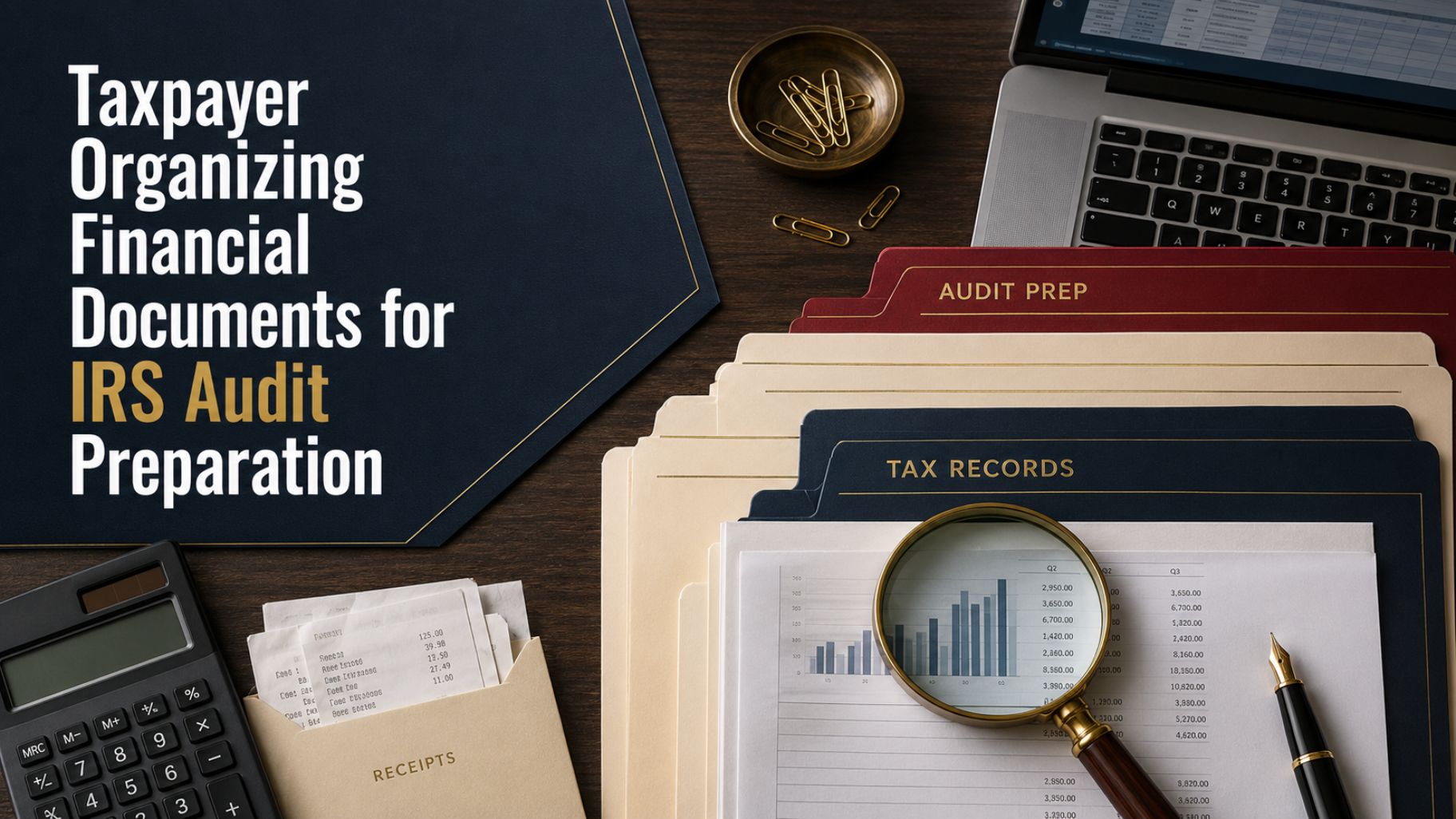
Maintaining organised records significantly reduces audit stress.
Keep copies of:
- Tax returns
- Bank statements
- Business invoices
- Expense receipts
- Payroll records
- Investment statements
4: Digital Storage Creates Better Protection
Modern taxpayers benefit from secure digital storage systems that make document retrieval easier during an audit review.
Proven Strategies to Protect Your Finances During IRS Audits
1: Build an Audit-Ready Financial System
Financial protection begins long before an audit notice arrives.
Businesses and individuals should establish systems that include:
- Monthly bookkeeping reviews
- Income verification procedures
- Receipt management
- Tax planning sessions
- Financial reporting checks
A well-organised system demonstrates transparency and credibility.
2: Know Your Rights During an Audit
Taxpayers are entitled to several protections during the audit process.
I: Right to Professional Representation
You may work with:
- Certified Public Accountants (CPAs)
- Tax Attorneys
- Enrolled Agents
Tax Professional guidance like Minimise Tax can simplify communication and reduce errors.
II: Right to Appeal Decisions
If you disagree with audit findings, you can request a review through established IRS appeal procedures.
III: Right to Privacy and Fair Treatment
Taxpayers are entitled to respectful treatment and reasonable confidentiality throughout the examination process.
3: Respond Promptly to IRS Communications
Ignoring notices often creates larger financial problems.
When receiving an audit letter:
- Read the notice carefully.
- Verify requested information.
- Gather supporting documents.
- Respond within the stated deadline.
- Maintain copies of all communications.
4: Stay Calm and Focus on Facts
Many taxpayers become anxious when audited. Remaining professional and providing factual documentation often leads to smoother resolutions.
Best Practices for Long-Term IRS Audit Protection
Consider implementing these strategies:
- File returns on time every year.
- Maintain detailed financial records.
- Separate personal and business expenses.
- Conduct annual tax reviews.
- Use professional tax preparation services.
- Verify all reported income.
- Keep supporting documents for multiple years.
Need professional guidance for tax compliance, audit preparation, or financial record management? Connect with experienced tax professionals today and build a stronger financial future with confidence.
Financial Benefits of Proper Audit Preparation
When taxpayers maintain organised records and compliance procedures, they often experience:
- Reduced stress
- Faster audit responses
- Better financial visibility
- Improved business credibility
- Lower risk of penalties
- Enhanced tax planning opportunities

FAQ About IRS Audits in US and Global Tax Compliance
Most financial professionals recommend keeping tax documents for several years. Retaining organised records helps support income and deduction claims if verification is required.
Self-employed taxpayers often report multiple income sources and deductions. Accurate bookkeeping and complete documentation help minimise audit concerns.
Review the notice carefully, gather requested documents, and consider consulting a tax professional before responding.
Yes. Inconsistent records, missing documentation, and reporting errors can create additional scrutiny during tax reviews.
Absolutely. Digital systems improve accuracy, track expenses, and simplify record retrieval when documentation is requested.
Proper records support tax deductions and demonstrate that expenses are legitimate and business-related.
Businesses should maintain organised financial records, conduct regular internal reviews, and work with qualified tax advisors.
Professional reviews help identify reporting errors before filing and improve overall compliance accuracy.
Yes. Every manufacturer from Ahmedabad, Gujarat, and supplier across main cities in India should maintain purchase records, GST documentation, invoices, and financial statements to support compliance requirements.
Growing companies should implement structured accounting systems and maintain clear transaction histories.
Yes. Accurate inventory tracking supports revenue reporting and expense calculations for businesses.
Take Control of IRS Audits Before They Become a Financial Risk
Conclusion
IRS audits can feel intimidating, but preparation is your strongest defence. By maintaining accurate records, understanding audit procedures, and responding professionally to requests, taxpayers can confidently protect their financial interests.
Whether you are an individual taxpayer, entrepreneur, investor, or business owner, proactive financial management reduces risks and creates long-term stability. The best time to prepare for an audit is before one ever occurs.
Our experienced tax professionals help individuals, self-employed professionals, and businesses nationwide prepare for IRS audits, resolve tax concerns, and protect their financial future. Contact us today for expert guidance.